
The rise of online marketplaces has transformed the way businesses sell products and connect with customers. From Amazon and Etsy to Flipkart and Meesho, multi-vendor platforms have proven that a single marketplace can bring together thousands of sellers and millions of buyers. For startups and enterprises looking to capitalize on this trend, investing in multi-vendor ecommerce app development can create new revenue opportunities while delivering a seamless shopping experience.
However, building a successful multi-vendor ecommerce app requires more than simply listing products from multiple sellers. It involves strategic planning, robust technology, intuitive design, secure payment systems, and scalable infrastructure. In this guide, we'll walk through the complete process of developing a successful multi-vendor ecommerce application and explore the key features, technologies, and business considerations involved.
What Is a Multi-Vendor Ecommerce App?
A multi-vendor ecommerce app is an online marketplace where multiple sellers can register, manage products, process orders, and sell through a single platform. The marketplace owner acts as an intermediary, facilitating transactions and earning revenue through commissions, subscriptions, advertisements, or featured listings.
Unlike traditional ecommerce stores that sell products from a single business, multi-vendor marketplaces offer customers greater variety, competitive pricing, and improved shopping convenience.
Why Invest in Multi-Vendor Ecommerce App Development?
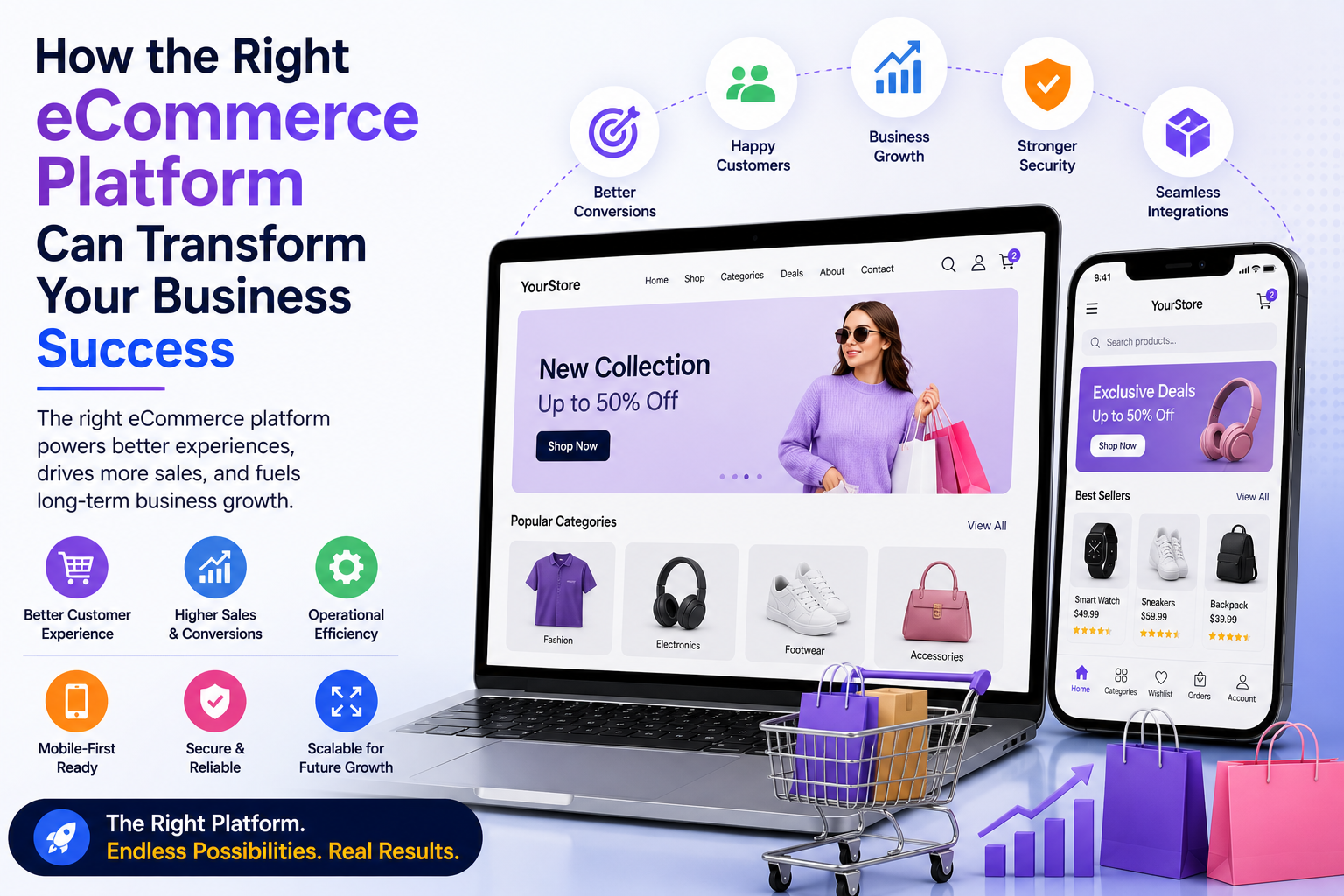
The demand for online marketplaces continues to grow across B2B, B2C, and D2C business models. Businesses that invest in ecommerce app development services gain several advantages:
Multiple revenue streams
Faster market expansion
Lower inventory management burden
Greater product diversity
Improved customer engagement
Scalability for long-term growth
Whether you're targeting wholesale buyers through B2B ecommerce website development or consumers through B2C ecommerce app development, a multi-vendor marketplace can support sustainable growth.
Step 1: Define Your Marketplace Business Model
Before beginning development, identify the type of marketplace you want to build.
B2B Marketplace
A B2B marketplace connects businesses with suppliers and wholesalers. Features typically include bulk ordering, custom pricing, RFQ management, and enterprise integrations.
Businesses often partner with a specialized B2B ecommerce development company to build platforms tailored to industry-specific requirements.
B2C Marketplace
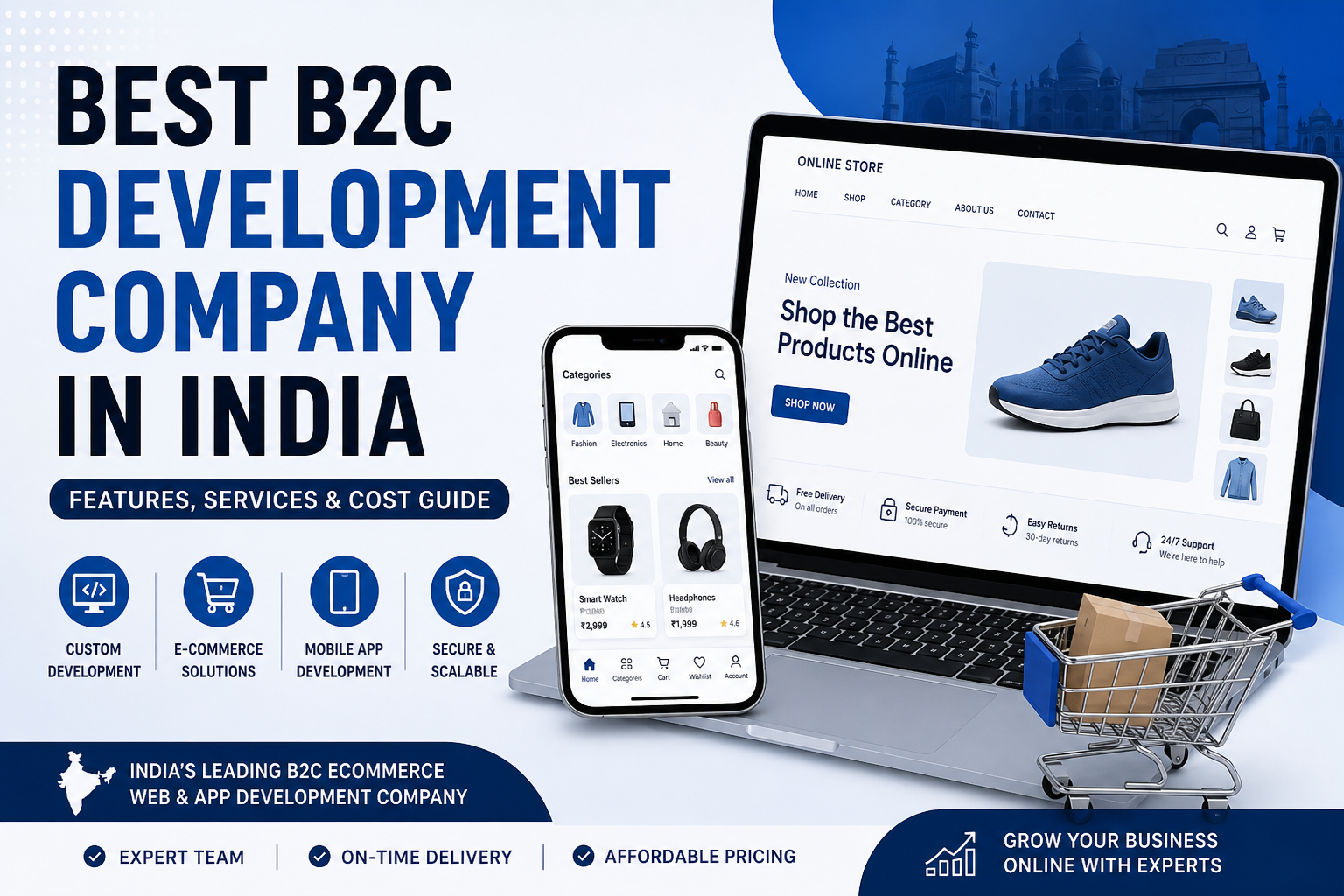
A B2C marketplace allows businesses to sell directly to consumers through mobile and web platforms.
Popular examples include Amazon, Flipkart, and Walmart Marketplace.
Organizations seeking B2C ecommerce website development often prioritize customer experience, personalization, and mobile-first design.
D2C Marketplace
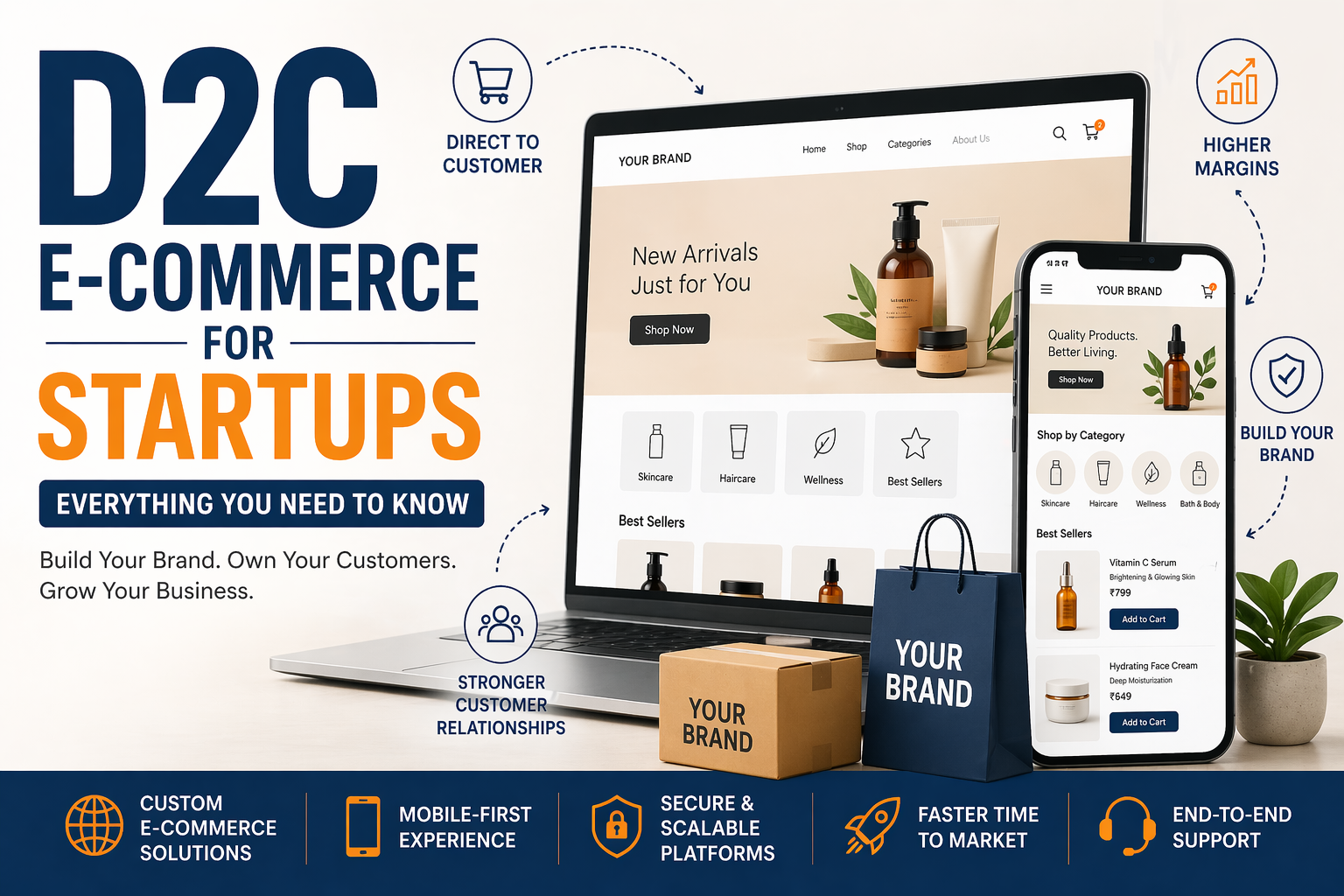
Direct-to-consumer platforms enable brands to sell directly without intermediaries.
D2C ecommerce app development focuses on customer relationships, brand loyalty, subscription models, and personalized shopping experiences.
Step 2: Conduct Market Research
Successful marketplaces are built around solving specific customer problems.
Research should include:
Target audience analysis
Competitor evaluation
Vendor expectations
Customer buying behavior
Revenue model selection
Industry trends
Understanding market gaps helps define features and differentiators that can give your marketplace a competitive edge.
Step 3: Plan Essential Features
A successful multi-vendor marketplace requires separate panels for customers, vendors, and administrators.
Customer Features
User registration and login
Product search and filters
Wishlist functionality
Product reviews and ratings
Secure checkout
Multiple payment options
Order tracking
Customer support
Vendor Features
Vendor registration
Product management
Inventory tracking
Order management
Sales analytics
Commission tracking
Marketing tools
Admin Features
Vendor approval management
Commission configuration
Product moderation
Customer management
Revenue reporting
Dispute resolution
Marketing management
Step 4: Focus on Mobile-First User Experience
Today's shoppers increasingly prefer mobile commerce. A modern ecommerce application development company prioritizes mobile-first experiences that deliver:
Fast loading speeds
Intuitive navigation
Personalized recommendations
Simplified checkout processes
Responsive design
Seamless user journeys
User experience directly influences conversion rates, customer retention, and overall marketplace success.
Step 5: Choose the Right Technology Stack
The technology stack determines the performance and scalability of your platform.
Frontend Technologies
React Native
Flutter
React.js
Next.js
Backend Technologies
Node.js
Laravel
Django
.NET
Database Solutions
PostgreSQL
MongoDB
MySQL
Cloud Infrastructure
AWS
Microsoft Azure
Google Cloud Platform
Partnering with an experienced ecommerce mobile app development company helps ensure the selection of technologies that align with business goals and future growth requirements.
Step 6: Implement Secure Payment Systems
Payment security is one of the most critical aspects of marketplace development.
Your platform should support:
Credit and debit cards
UPI payments
Digital wallets
Net banking
International payment gateways
Escrow payment systems
Security measures should include:
SSL encryption
PCI-DSS compliance
Fraud detection
Secure authentication
Step 7: Develop Vendor Management Capabilities
The success of a marketplace largely depends on vendor satisfaction.
Effective vendor management features include:
Easy onboarding
Automated approvals
Commission management
Performance analytics
Inventory synchronization
Vendor communication tools
Providing vendors with powerful management tools encourages platform adoption and long-term engagement.
Step 8: Integrate Advanced Features
To stay competitive, modern marketplaces should incorporate advanced functionality such as:
AI-powered recommendations
Voice search
Chatbots
Real-time notifications
Loyalty programs
Subscription services
Multi-language support
Multi-currency support
These features improve customer experience and increase sales opportunities.
Step 9: Perform Comprehensive Testing
Before launch, conduct extensive testing to ensure reliability.
Testing should cover:
Functional testing
Security testing
Performance testing
Load testing
Usability testing
Payment testing
Mobile compatibility testing
A stable platform reduces customer frustration and protects brand reputation.
Step 10: Launch and Continuously Optimize
Marketplace development does not end at launch.
Post-launch activities include:
Monitoring user behavior
Gathering customer feedback
Optimizing performance
Enhancing security
Introducing new features
Expanding vendor networks
Continuous improvement helps maintain competitiveness in the rapidly evolving ecommerce landscape.
Why Partner with an Experienced Ecommerce Development Company?
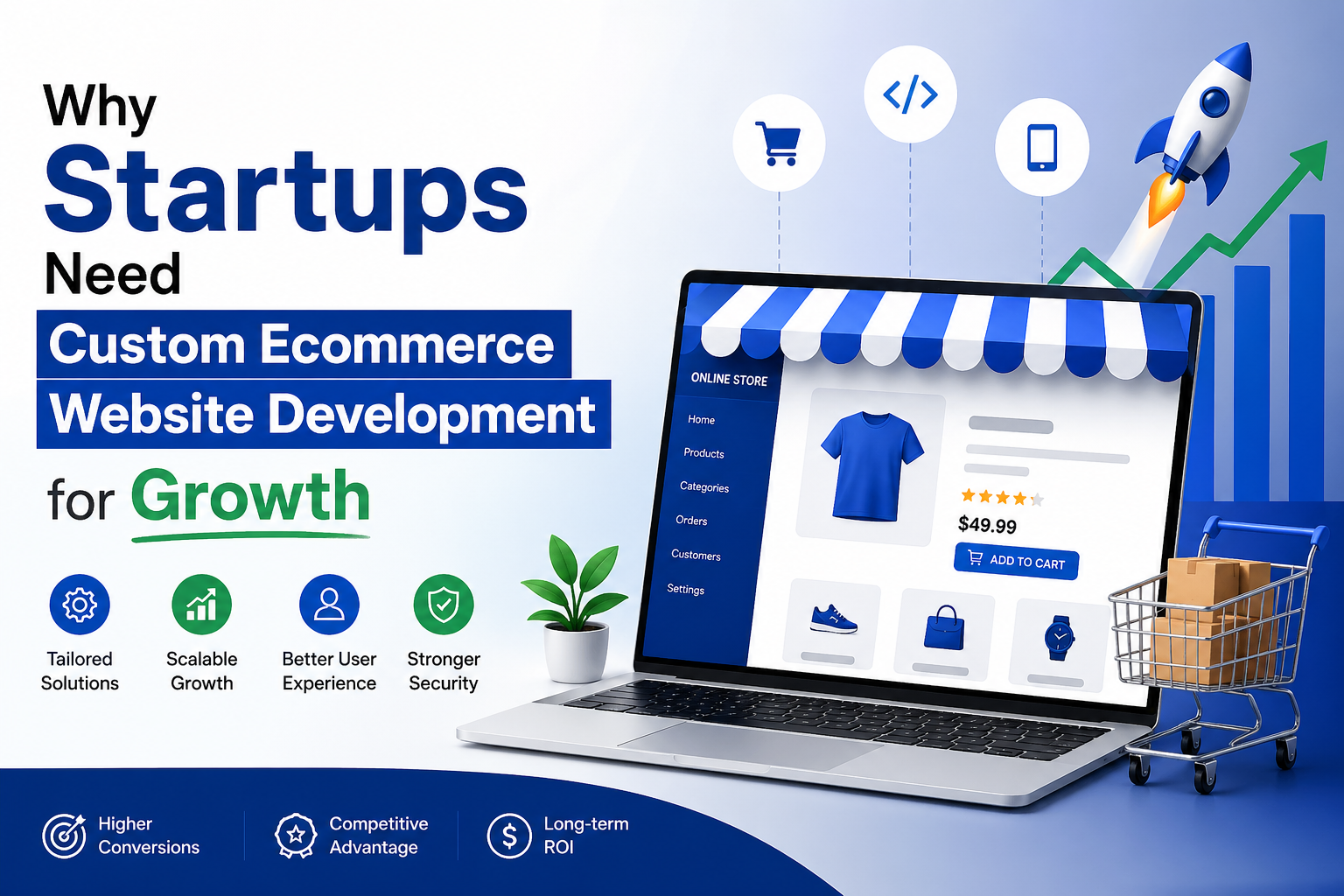
Building a multi-vendor marketplace involves complex technical, operational, and strategic challenges. Working with a professional ecommerce app development services provider gives businesses access to experienced developers, UI/UX designers, quality assurance specialists, and ecommerce consultants.
An experienced ecommerce application development company can accelerate development timelines, reduce risks, and create scalable solutions tailored to your business model.
Why Choose IMG Global Infotech?
For businesses seeking reliable ecommerce development expertise, IMG Global Infotech delivers customized solutions across B2B ecommerce website development, B2C ecommerce website development, B2C ecommerce app development, D2C ecommerce website development, and D2C ecommerce app development.
With a focus on scalability, innovation, and user-centric design, the team helps businesses transform marketplace ideas into high-performing digital platforms that drive growth and customer engagement.
Conclusion
Multi-vendor marketplaces continue to dominate the ecommerce industry, creating significant opportunities for businesses across B2B, B2C, and D2C sectors. Success depends on strategic planning, robust technology, exceptional user experience, and ongoing optimization.
By partnering with a trusted ecommerce mobile app development company and implementing the right features, businesses can build scalable marketplace platforms that attract vendors, engage customers, and generate sustainable revenue for years to come.

Write a comment ...